


Best Power BI Premium License Guide For Smart Enterprise Business Growth

Deciding to upgrade your business reporting leads directly to acquiring a power bi premium license for your data infrastructure. Modern organizations need rapid insights without running into query limits or storage walls. Making the right choice modernizes how your teams consume critical operational metrics.
Data architecture can feel overwhelming when scaling up. You might wonder if advanced analytics features are actually worth the added financial investment. Fortunately, clarity comes once you understand how enterprise licensing transforms raw data flows.
This comprehensive guide walks you through every detail before buying a power bi premium license. We break down features, setup steps, and cost benefits in plain language. You will gain the exact clarity needed to upgrade your analytics stack with total confidence.
Table of Contents
What Is a Power BI Premium License?
Microsoft created different analytics tiers to serve organizations of varying scales. At its core, this enterprise tier provides dedicated computing resources to build, publish, and distribute complex dashboards across whole departments. It removes common performance bottlenecks found in shared cloud environments.
When evaluating a power bi premium license, you are looking at dedicated cloud capacity reserved exclusively for your business operations. This ensures predictable report loading times even during peak company usage hours. Heavy data models load quickly without lagging or crashing.
Smaller teams often start with standard options before reaching technical scaling limits. As datasets grow past gigabyte thresholds, standard plans struggle to process refreshes efficiently. Upgrading solves these memory constraints effortlessly.
Furthermore, enterprise users gain access to advanced artificial intelligence capabilities natively built into report authoring tools. You can explore official software options on the Microsoft Power BI download page to see supported installation binaries for local desktop report creation. Having dedicated cloud power makes those local builds execute seamless updates.
Pro vs Premium Options Explained
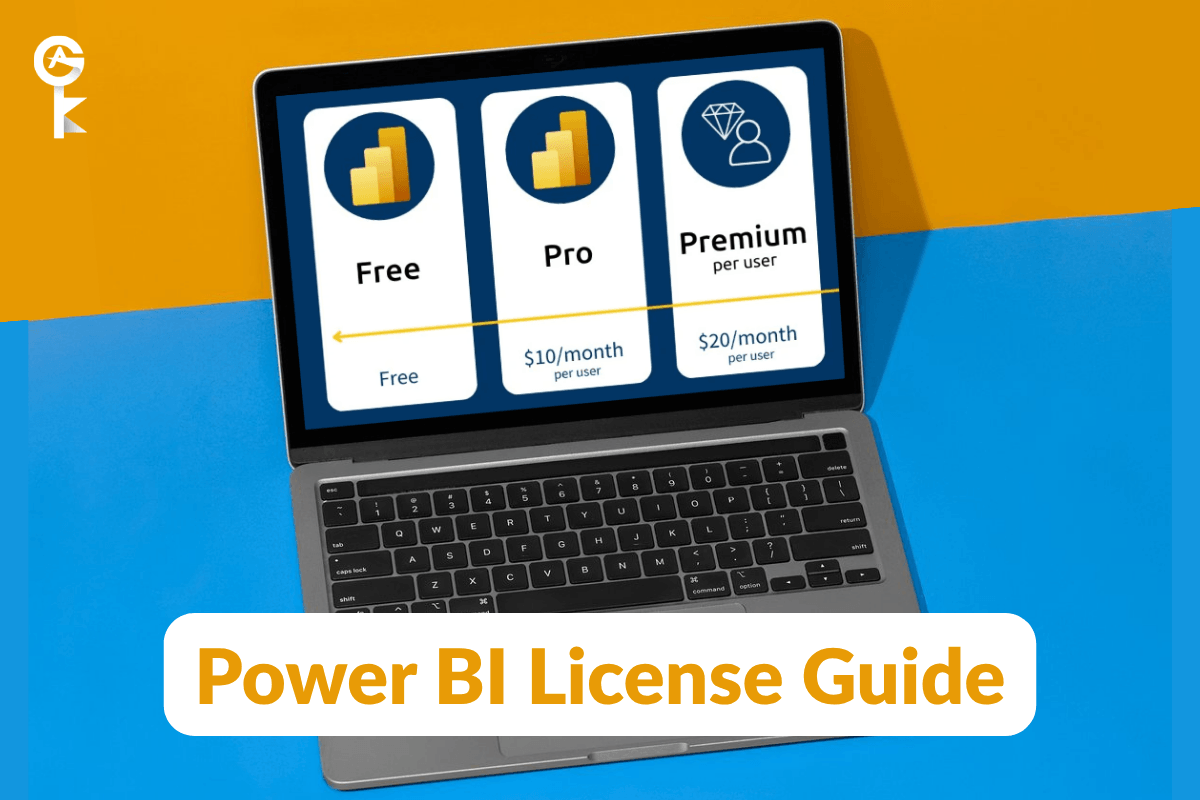
Understanding how a power bi premium license differs from standard Pro user tiers saves thousands of dollars annually. Pro licenses operate on shared cloud infrastructure where processing power is distributed dynamically among many tenants. That setup works fine for moderate reporting needs.
However, shared resources introduce rate limits on dataset sizes and daily scheduled refresh cycles. Premium tiers break through these restrictions by expanding individual dataset size limits significantly. Your analysts can build massive data models without constantly compressing historical tables.
Refresh frequency also jumps dramatically between tiers. Pro offers eight refreshes per day, while enterprise tiers support up to forty-eight automated daily refreshes. That difference provides near real-time operational visibility for supply chain and financial tracking.
Another primary distinction involves content distribution rights. Standard models require every single viewer to hold a paid license just to inspect published reports. Premium capacity removes that headache by letting licensed creators share dashboards with free view-only users across the organization.
Per User vs Capacity Licensing Architecture
Microsoft offers two distinct methods for acquiring enterprise analytics capabilities. You can choose between individual user passes or dedicated tenant capacity nodes. Selecting the wrong model leads to unnecessary software expenditures.
Assigning a power bi premium license per user gives individual analysts advanced features without paying for full organizational server space. This option suits mid-sized teams needing big-data processing without paying thousands per month for full tenant nodes. It bridges the gap between basic tools and enterprise power.
Capacity-based licensing, on the other hand, reserves dedicated cloud hardware for your entire tenant domain. This approach is ideal when hundreds or thousands of employees need read access to executive report suites. It streamlines compliance management under one unified administrative umbrella.
You can learn more about architecture details on the official Microsoft Power BI documentation guide. Reviewing official documentation helps software architects structure workspace roles correctly from day one. Choosing between individual seat allocation and tenant capacity depends entirely on total active report consumers.
Get Your Genuine Power BI License Today
Key Enterprise Features That Add Value
Investing in a power bi premium license unlocks continuous deployment pipelines for analytics projects. Developer teams can isolate development, testing, and production environments seamlessly. This prevents accidental report breakage when updates push live to business users.
Paginated reports represent another heavy-hitting feature included in this tier. These pixel-perfect report layouts are designed specifically for printing or exporting standardized multi-page PDF files. Standard dashboards often distort layout structures when printed, making paginated options vital for formal financial disclosures.
Automated machine learning models also run directly inside your reporting workspace. Non-technical analysts can build predictive modeling workflows without writing Python or R code. This democratizes data science concepts and speeds up forecasting projects.
In addition, investing in a power bi premium license gives enterprise IT administrators granular data governance tools. You gain advanced encryption key management, bring-your-own-key security, and comprehensive access auditing logs. Security teams maintain full visibility over corporate intellectual property.
Step-by-Step Setup and Deployment Process
Setting up your enterprise analytics platform requires systematic execution within your admin portal. The deployment sequence begins by securing your product key or tenant subscription through certified distribution channels. Having your credentials ready prevents downtime during workspace provisioning.
After securing access, setting up your power bi premium license involves opening the Microsoft 365 admin center. Administrators navigate to the active user section or portal billing hub to assign product seats to primary analysts. Alternatively, admins allocate capacity nodes directly within the Power BI admin portal settings.
Next, workspace administrators must assign target workspaces to the newly provisioned capacity. In the workspace settings menu, toggle the premium capacity setting to active status. A diamond icon will appear next to workspace names, indicating premium features are live.
Finally, configure report refresh schedules and gateway connections to your internal databases. Secure data gateways ensure cloud reports sync cleanly with local SQL servers or cloud databases. Testing refresh schedules early ensures users receive updated metrics every morning.
Is It Right for Your Organization?
Determining whether choosing a power bi premium license makes economic sense comes down to user counts and dataset complexity. If your company relies heavily on massive historical datasets, standard licenses will inevitably cause operational frustration. High performance and larger storage footprints solve those headaches instantly.
Organizations with large distribution lists also experience massive cost savings with enterprise capacity options. Paying per individual viewer quickly becomes expensive across hundreds of employees. Enterprise capacity allows unlimited content distribution under a fixed predictable cost structure.
Ready to transform how your organization handles enterprise reporting? Acquiring your new power bi premium license today empowers your analytics team to build faster, smarter, and more secure business intelligence solutions.


